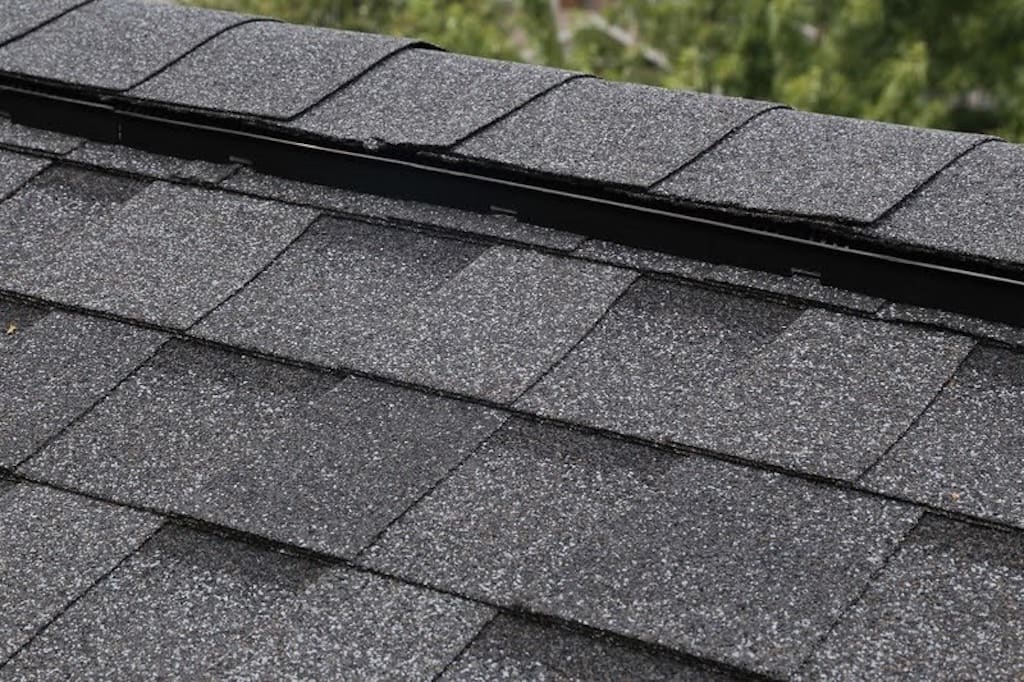
Don’t be blindsided by expensive roofing bills. Roof repairs can vary widely depending on what’s damaged, the roofing material you have, and even your insurance coverage. This homeowner-focused guide explains typical repair costs and what influences them so you can plan confidently — whether you live in Cleveland, Akron, Canton, or anywhere in Northeast Ohio.
What Roof Repairs Typically Cost
Roof repair expenses vary based on how serious the damage is:
- Minor repairs — like fixing a few missing shingles or a small leak — usually run between about $150 and $1,500. These are issues many homeowners notice first after a storm or heavy wind.
- Major repairs — including extensive water intrusion, structural sagging, or widespread mold — can range from $1,500 up to $7,000 or more. These often require experienced professionals.
In Ohio’s shifting seasons — where deep winter freezes and spring rainstorms can stress roofs — even small issues can escalate if left too long.
Common Types of Roof Repairs
The kind of roofing material you have dramatically affects repair prices. Here’s a rough idea of typical costs:
| Roof Type | Approximate Repair Cost |
|---|---|
| Asphalt shingle | $150–$500 for a few shingles |
| Slate | ~$250 per tile; more if flashing or adjacent materials are affected |
| Clay tile | ~$500 per tile plus possible flashing work |
| Metal roofing | ~$700 per section or panel |
| Wood shake | ~$800 for small area repairs |
These ranges are general estimates — depending on your roof’s size, pitch, and access challenges, your actual costs may vary.
What Drives Roof Repair Costs?
Here are the biggest factors that roofing pros consider when estimating your repair:
1. Severity of the Damage
Small fixes like resealing flashing are far less costly than repairing structural rot from a long-term leak.
2. Roofing Material
Different materials require different skills and tools. A metal roof panel repair often costs more than replacing a few asphalt shingles.
3. Roof Complexity
Steep pitches, multiple levels, skylights, or dormers can slow labor and increase costs.
4. Weather Impact
In Northeast Ohio, ice dams in winter and wind during thunderstorms can cause sudden damage that’s more expensive to fix. Quick attention to issues — especially after severe weather — can keep costs down.
5. Professional Labor vs. DIY
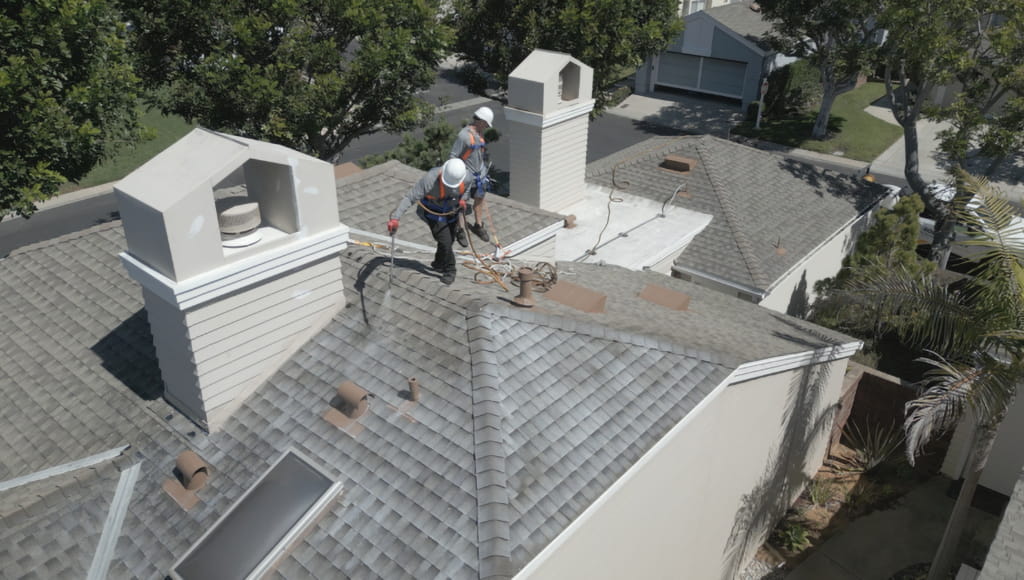
Tackling minor cosmetic fixes yourself might save on labor, but homeowners should never climb roofs without proper safety training and equipment. Professional roofers not only work safely, they can often spot hidden issues before they worsen.
Can Insurance Help With Roof Repairs?
If damage comes from a covered event — like a storm or hail — your homeowners insurance may contribute toward repair costs. However:
- Insurance typically won’t cover wear-and-tear from age.
- Filing claims for small issues might increase future premiums.
It’s always worth reviewing your coverage and talking to your agent before committing to big expenses.
Remember: sudden weather events like ice dams or wind damage are more likely to be covered than aging shingles.
Smart Ways to Reduce Repair Bills
1. Get Annual Roof Inspections
Catching problems early — especially after Ohio’s harsh winters — often means cheaper fixes.
2. Maintain Your Roof Seasonally
Clearing debris, trimming overhanging branches, and checking attic ventilation all help reduce wear and tear.
3. Compare Multiple Quotes
Roof repair prices can vary between contractors. Getting 2–3 estimates helps ensure a fair price.
4. Consider Preventive Treatments
Solutions like Roof Maxx can slow shingle aging and potentially extend your roof’s life, which may help delay costly repairs or a full replacement.
Final Thought
Roof repair costs aren’t one-size-fits-all — they depend on the type of damage, your roof’s material, and local conditions. In Northeast Ohio, where seasonal weather swings are common, staying proactive can go a long way toward protecting your home and budget.
If you’re unsure about the extent of damage or need a trusted estimate, reach out to a local roofing professional — early action almost always saves money in the long run.