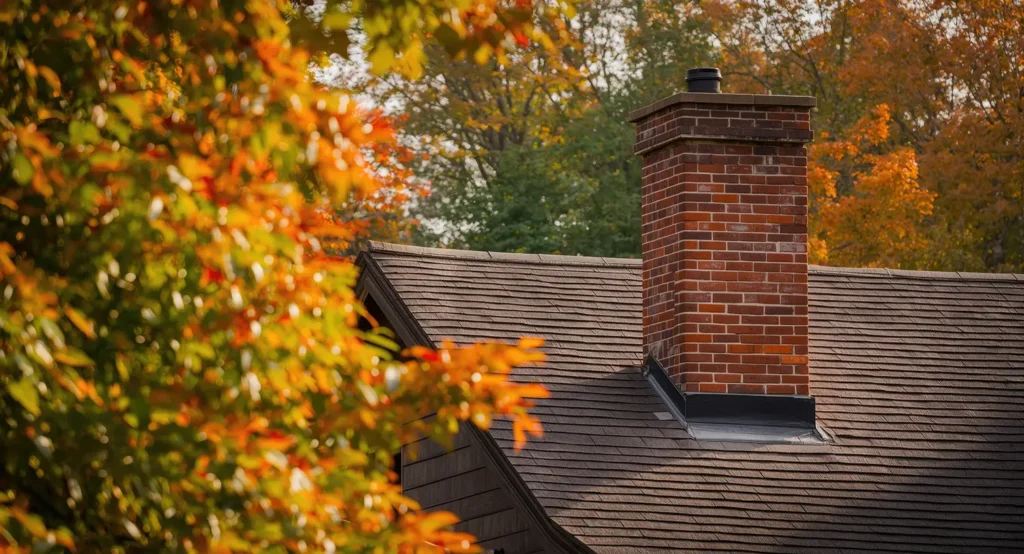
Shade Is Great for Your Backyard—But Not Every Tree Is Great for Your Roof
One of the best parts of living in Northeast Ohio is having mature trees.
Large maples provide shade on hot July afternoons. Towering oaks line older neighborhoods. Evergreens offer year-round privacy.
Those trees add beauty and value to your property—but they can also become one of your roof’s biggest challenges.
At Roof Maxx of Cleveland — proudly serving homeowners throughout Cleveland, Akron, Canton, Medina, Hudson, Mentor, North Canton, Massillon, and surrounding Northeast Ohio communities—we often inspect roofs where tree-related damage has developed gradually over many years.
Sometimes it’s obvious after a storm.
More often, it’s slow, subtle, and easy to overlook.
Trees Don’t Have to Fall to Cause Roof Damage
When homeowners think about tree damage, they usually imagine a large limb crashing through the roof during a storm.
Fortunately, that’s relatively uncommon.
The more common problems come from everyday contact.
Examples include:
- Branches rubbing against shingles
- Leaves collecting in roof valleys
- Twigs clogging gutters
- Seeds and debris trapping moisture
- Small limbs scraping the roof during windy days
These issues may seem minor individually, but they can shorten the life of your roofing system over time.
Local Tip:
If you’ve lived in Northeast Ohio for a while, you’ve probably watched a summer thunderstorm turn a calm afternoon into 40 or 50 mph wind gusts. Even healthy tree branches can sway several feet during those storms, repeatedly brushing against your roof without ever breaking.
Branches Can Wear Away Your Shingles
As branches move in the wind, they act almost like sandpaper.
Repeated contact can:
- Remove protective granules
- Scratch shingle surfaces
- Loosen shingles over time
- Wear away protective coatings
Because this happens gradually, homeowners often don’t notice until the damage becomes significant.
Leaves Can Trap Moisture
One of the biggest issues we see isn’t falling branches—it’s leaves that don’t blow away.
When leaves accumulate:
- Water drains more slowly.
- Roof valleys stay damp longer.
- Organic debris begins to decompose.
- Moisture remains against roofing materials.
While a single rainy day isn’t usually a problem, weeks or months of trapped moisture can accelerate roof aging.
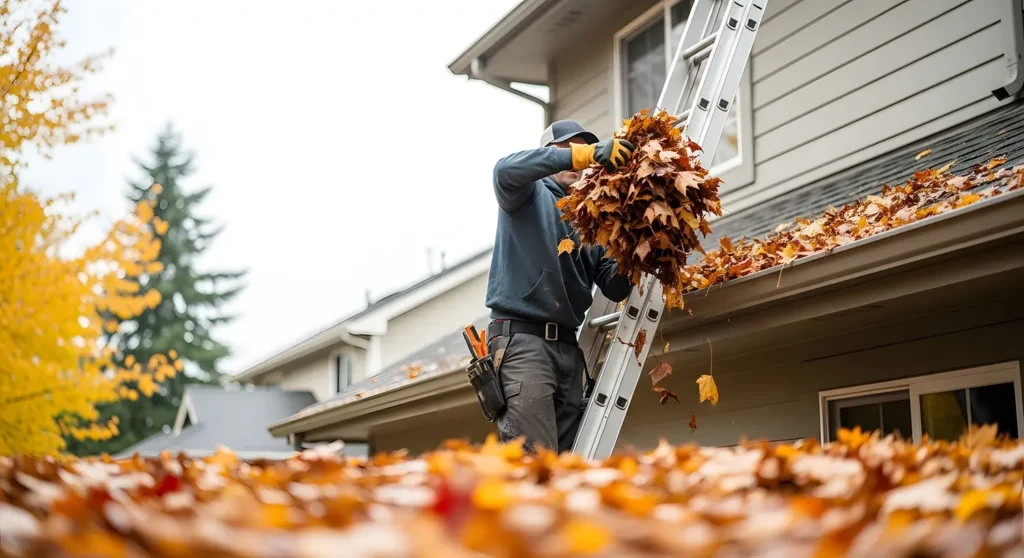
Gutters Filled with Tree Debris
Trees don’t just affect the roof surface.
Leaves, helicopters (maple seeds), pine needles, acorns, and small twigs can all collect in gutters.
When gutters overflow:
- Water may back up beneath shingles.
- Fascia boards remain wet longer.
- Drainage becomes less effective during heavy summer rain.
Routine gutter maintenance is one of the simplest ways to help protect your roof.
Summer Storms Increase the Risk
Many tree-related roofing problems appear after severe weather.
Strong winds can:
- Snap dead limbs
- Push healthy branches against shingles
- Scatter debris across the roof
- Fill valleys and gutters overnight
After a storm, it’s worth taking a slow walk around your property.
You don’t need to climb onto the roof.
Instead, look for:
- Fresh branches
- New debris
- Missing shingles
- Damaged gutters
- Pieces of flashing
Should You Trim Overhanging Branches?
In many cases, yes.
Proper pruning can help:
- Reduce branch contact
- Improve airflow
- Increase sunlight on the roof
- Reduce debris accumulation
- Lower the risk of storm damage
If large limbs are involved, consider hiring a qualified tree service to perform the work safely.
Could Tree Damage Lead to a Roof Leak?
Absolutely.
A scratched or lifted shingle may not leak immediately.
But over time:
- Water finds vulnerable areas.
- Storms increase the stress.
- Moisture enters the roofing system.
By the time you notice water inside the home, the original cause may have been tree contact months earlier.
When Should You Schedule an Inspection?
If your home is surrounded by mature trees, consider scheduling a professional inspection if you notice:
- Branches touching the roof
- Heavy debris accumulation
- Repeated clogged gutters
- New shingle damage after storms
- Unexplained ceiling stains
A professional inspection can help identify tree-related wear before it leads to more extensive repairs.
👉 https://roofhubohio.com/get-a-free-quote/
Final Thought
Trees are one of the things that make many Northeast Ohio neighborhoods beautiful.
With a little routine maintenance, they don’t have to become a problem for your roof.
If your home is shaded by mature trees, periodic inspections, thoughtful pruning, and prompt cleanup after storms can go a long way toward protecting your investment for years to come.
Also see…



