
A Guide for Cleveland, Akron & Canton Homeowners During Storm Season
Across Cleveland, Akron, Canton, Medina, Hudson, Mentor, North Canton, Massillon, and surrounding Northeast Ohio communities, summer storms often bring long periods of heavy rain. And after several days of storms, many homeowners begin asking: “Can heavy rain actually damage my roof?”
The answer is yes – especially if the roof already has weak spots from age, winter weather, wind, or previous storm damage.
At Roof Maxx of Cleveland – serving the entire Cleveland, Akron, Canton region – heavy rain inspections are extremely common during Ohio storm season. Water intrusion can begin in places homeowners rarely notice until leaks appear inside the home.
Here’s what Northeast Ohio homeowners should know.
How Heavy Rain Damages Roofs
Rain itself usually isn’t the problem.
The issue is what happens when water finds weak points such as:
- Damaged shingles
- Lifted flashing
- Clogged gutters
- Exposed nail heads
- Aging seal areas
Once water enters those vulnerable areas, leaks can develop quickly.
Why Northeast Ohio Roofs Are Especially Vulnerable
Roofs across the Cleveland–Akron–Canton area often experience months of stress before heavy summer rain even arrives.
By the time storm season begins, roofs may already be affected by:
Heavy rain often exposes problems that were already developing.
Common Signs Heavy Rain Is Affecting Your Roof
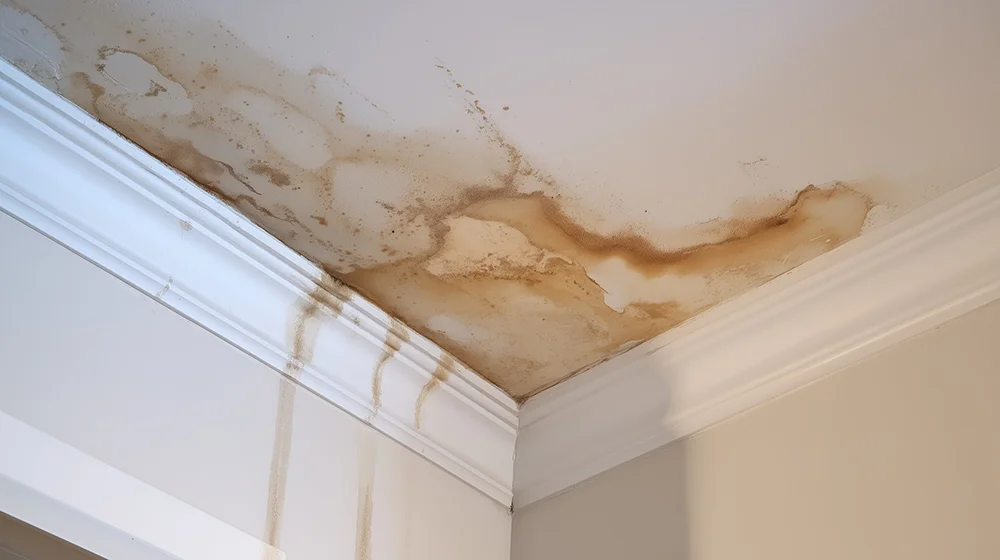
1) Ceiling Water Stains
Brown or yellow discoloration may appear after storms.
2) Dripping Water in Attics
Even small drips can signal significant roof vulnerabilities.
3) Overflowing Gutters
Blocked gutters can force water under shingles.
4) Water Near Chimneys or Skylights
Flashing areas are common leak points.
5) Damp Insulation or Musty Odors
Moisture problems can continue long after the rain stops.
If you’re already noticing leaks, review:
👉 Spring Thaw Roof Leaks in Northeast Ohio: What to Check Before You Panic
Why Small Problems Become Big Ones Fast
One loose shingle or small flashing gap may not leak during light rain.
But during prolonged storms:
- Water pressure increases
- Wind drives rain sideways
- Gutters overflow
- Vulnerable areas stay saturated longer
This is why many leaks only appear during major storms.
The Role of Gutters and Drainage
Your roof system includes more than shingles.
Proper drainage is critical.
Heavy rain problems are often connected to:
- Clogged gutters
- Poor downspout drainage
- Debris-filled valleys
- Water pooling near roof edges
Routine maintenance helps reduce these risks.
Can Heavy Rain Shorten Roof Life?
Absolutely.
Repeated water intrusion can lead to:
- Decking rot
- Mold growth
- Seal deterioration
- Accelerated shingle aging
This is especially true when shingles have already lost flexibility due to age and UV exposure.
👉 Summer Heat & Your Roof: How UV Exposure Accelerates Shingle Aging in Ohio
Can Roof Rejuvenation Help?
If your roof is still structurally sound, restoring flexibility may help shingles better withstand weather stress.
Roof Maxx treatments are designed to restore flexibility to qualifying asphalt shingles using a plant-based solution.
For eligible roofs, treatments are backed by a 15-Year Transferable Warranty, as highlighted on:
However, roofs with severe water damage may require repair or replacement instead.
What To Do After Heavy Rain
Step 1: Check Interior Areas
Look for stains, dampness, or attic moisture.
Step 2: Inspect Gutters From Ground Level
Look for overflow signs or debris buildup.
Step 3: Schedule a Professional Inspection
👉 Get a Free Roof Inspection & A Free Quote
An inspection can identify:
- Hidden water intrusion
- Flashing failures
- Weak areas vulnerable to future leaks
- Whether repair, rejuvenation, or replacement is appropriate
Final Thought
Heavy rain doesn’t create roof problems out of nowhere – it reveals weaknesses that already existed.
For homeowners across Cleveland, Akron, Canton, and surrounding Northeast Ohio communities, identifying those issues early can prevent much larger repairs later.



