
A Guide for Cleveland, Akron & Canton Homeowners
When most people think about tornadoes, they picture catastrophic damage. While direct tornado strikes are relatively rare, extreme wind roof damage is a very real threat across Northeast Ohio every year.
From strong thunderstorms and straight-line winds to tornado warnings and severe weather outbreaks, homeowners in Cleveland, Akron, Canton, Medina, Hudson, Mentor, North Canton, Massillon, and surrounding communities face weather conditions capable of causing significant roof damage.
At Roof Maxx of Cleveland – serving the entire Cleveland, Akron, Canton region – severe weather inspections are common throughout the warmer months. Understanding what extreme winds can do to your roof can help you identify problems early and avoid more costly repairs later.
Not All Wind Damage Comes From Tornadoes
One common misconception is that tornadoes are the only weather events capable of causing serious roof damage.
In reality, Northeast Ohio homeowners are more likely to experience damage from:
- Straight-line winds
- Severe thunderstorms
- Microbursts
- Wind-driven rain
- Tornado-adjacent storm systems
Even without a tornado touching down, wind speeds can be strong enough to damage shingles, flashing, gutters, and roofing structures.
What Extreme Winds Actually Do to a Roof
Strong winds create pressure changes around a home.
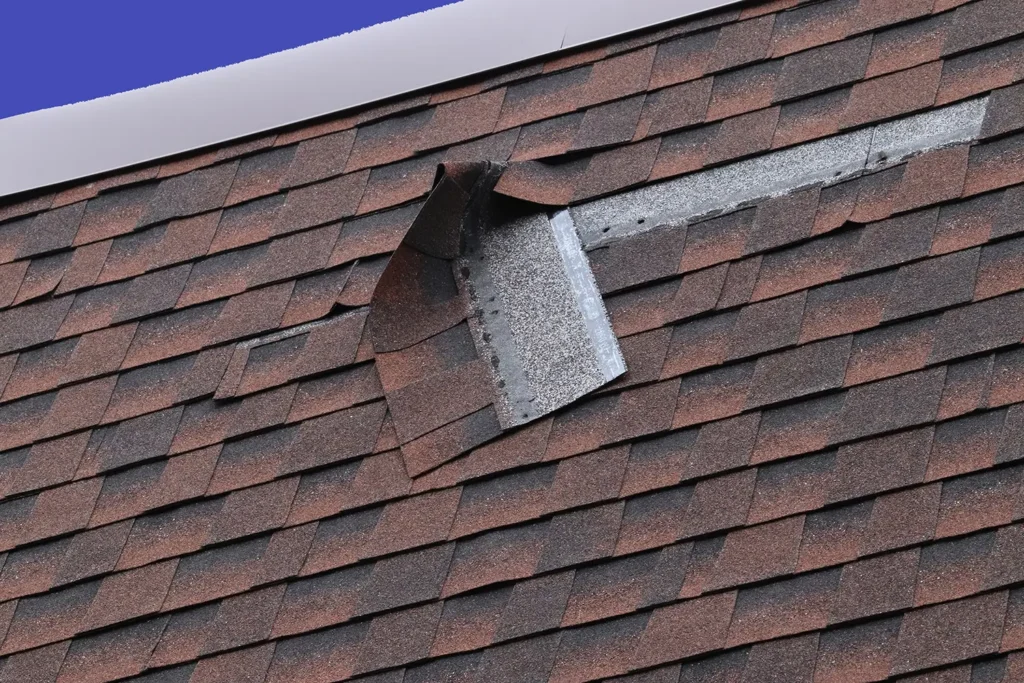
As wind moves over the roof, it can:
- Lift shingles
- Break adhesive seals
- Bend flashing
- Loosen ridge caps
- Damage roof edges
- Blow debris onto the roof surface
Over time, these issues can allow water intrusion and accelerate roof aging.
For more common wind-related issues, please see:
The Most Vulnerable Areas of Your Roof
Not every part of a roof experiences the same stress.
The areas most likely to suffer extreme wind roof damage include:
Roof Edges
Wind can get underneath shingles along edges and corners.
Ridge Caps
The peak of the roof often receives the strongest wind exposure.
Flashing Areas
Chimneys, vents, skylights, and wall intersections are common weak points.
Older Shingles
Aging shingles are more likely to crack, crease, or detach.
Signs of Extreme Wind Damage
After a severe weather event, look for:
- Missing shingles
- Bent or displaced flashing
- Shingle pieces in the yard
- Fallen branches on the roof
- Damaged gutters
- New ceiling stains inside the home
If leaks appear after a storm, please review:
Why Existing Roof Condition Matters
Extreme winds affect every roof differently.
A roof that is already weakened by…
…may experience significantly more damage during a wind event.
What To Do After Extreme Weather
Step 1: Stay Off the Roof
Storm damage can create dangerous conditions.
Step 2: Inspect From the Ground
Use binoculars if necessary and look for obvious damage.
Step 3: Document What You See
Photographs can be useful for repairs and insurance purposes.
Step 4: Schedule a Professional Inspection
👉 https://roofhubohio.com/get-a-free-quote/
A trained inspection can identify:
- Hidden shingle damage
- Lifted shingles
- Compromised flashing
- Areas vulnerable to future leaks
Can Wind-Damaged Roofs Be Rejuvenated?
Sometimes.
If the roof remains structurally sound and damage is limited, rejuvenation may still be an option.
Roof Maxx treatments are designed to restore flexibility to qualifying asphalt shingles using a plant-based solution.
For eligible roofs, treatments are backed by a 15-Year Transferable Warranty, as highlighted on our home page.
However, severe storm damage may require repair or replacement before rejuvenation can be considered.
Why Severe Weather Season Is the Right Time for Inspections
Across Northeast Ohio, the most active storm period generally falls between late spring and early fall.
This makes summer an ideal time to:
- Evaluate roof condition
- Address storm damage
- Restore flexibility
- Prepare for the next season
Waiting until winter often makes repairs more difficult and more expensive.
Final Thought
Not every severe storm produces visible damage – but that doesn’t mean your roof escaped unscathed.
For homeowners across Cleveland, Akron, Canton, and surrounding Northeast Ohio communities, a professional inspection after extreme weather can provide peace of mind and help prevent larger problems down the road.



