Why Cleveland, Akron & Canton Roofs Face a Unique Combination of Stress
Most homeowners think of roof damage as a single event. A hailstorm damages shingles. A windstorm blows off roofing materials. A leak appears after heavy rain.
But in reality, roofs across Cleveland, Akron, Canton, Medina, Hudson, Mentor, North Canton, Massillon, and surrounding Northeast Ohio communities are often affected by a combination of factors working together.
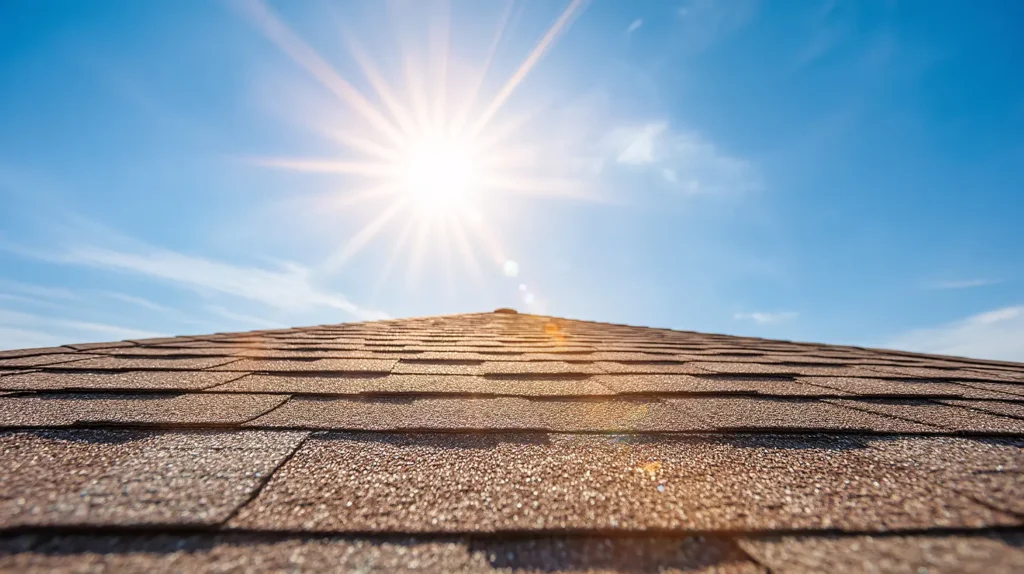
Summer heat and storms work together to accelerate roof aging.
Summer heat weakens roofing materials. Storms exploit those weaknesses. Then the cycle repeats.
At Roof Maxx of Cleveland — serving the entire Cleveland, Akron, Canton region — we often see roofs that appear fine from the ground but have been gradually aging faster due to the combined effects of heat, UV exposure, wind, rain, and hail.
Here’s how it happens.
Your Roof Never Gets a Break
Unlike many parts of a home, your roof is exposed to weather every day.
During a typical Northeast Ohio summer, a roof may experience:
- Intense sunlight
- UV exposure
- Temperatures well above the surrounding air
- Heavy thunderstorms
- High winds
- Hail
- Prolonged rain
Each event adds a little more wear.
Over time, that wear adds up.
How Summer Heat Affects Asphalt Shingles
Asphalt shingles naturally contain oils that help maintain flexibility.
As roofs age, those oils gradually diminish.
Summer heat accelerates that process.
The result:
- Reduced flexibility
- Increased brittleness
- Greater susceptibility to cracking
- Faster granule loss
For a deeper look at heat-related aging, see:
Then the Storms Arrive
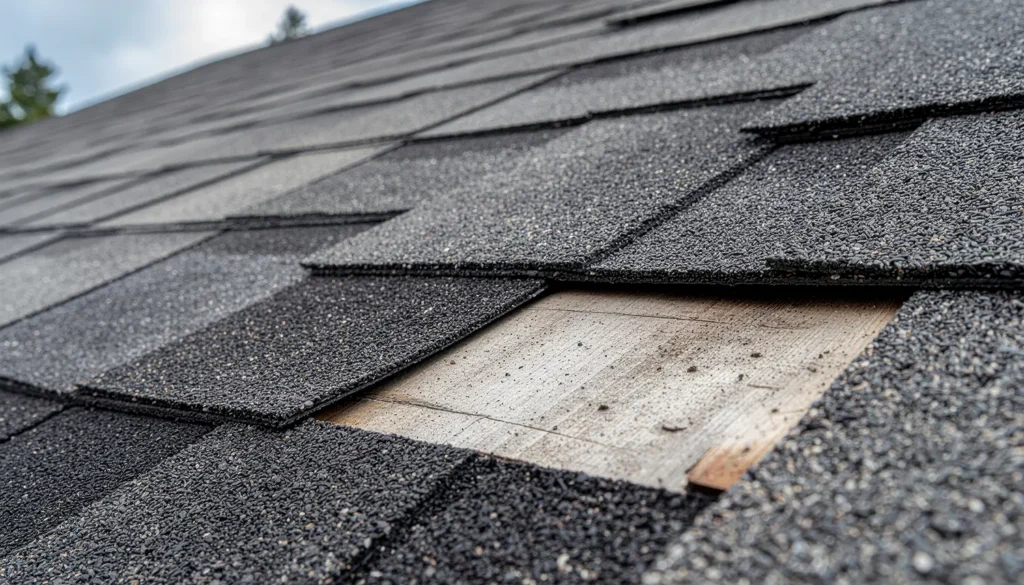
Once shingles have been stressed by heat and UV exposure, storms can have a greater impact.
High Winds
Wind is more likely to:
- Lift brittle shingles
- Break weakened seals
- Expose vulnerable areas
Hail
Hail can:
- Knock away granules
- Create bruising
- Shorten roof lifespan
Heavy Rain
Rain often reveals damage that was already present.
Water finds:
- Loose flashing
- Lifted shingles
- Worn seal areas
Why This Matters for Roof Longevity
A roof rarely fails because of a single weather event.
Instead, aging usually happens through:
- Heat weakens shingles.
- Wind lifts them.
- Hail removes granules.
- Rain finds entry points.
- Additional weather compounds the damage.
That cycle repeats year after year.
Across Northeast Ohio, this process can significantly reduce roof life.
Common Warning Signs
As summer progresses, watch for:
Granules in Gutters
Curling Shingles
Heat-related aging often appears first along edges.
Discoloration or Fading
UV exposure gradually breaks down roofing materials.
New Leaks After Storms
Even small leaks deserve attention.
Why Flexibility Is So Important
Flexible shingles are better able to:
- Expand and contract
- Resist cracking
- Handle wind stress
- Maintain sealing performance
As flexibility decreases, roof aging tends to accelerate.
Roof Maxx treatments are designed to restore flexibility to qualifying asphalt shingles using a plant-based solution.
For eligible roofs, treatments are backed by a 15-Year Transferable Warranty, as highlighted on our home page.
Mid-Summer Is a Great Time for an Inspection
Many homeowners wait until a leak appears.
A better approach is to identify aging before problems become severe.
A professional inspection can help determine:
- Whether your roof is aging normally
- Whether storm damage is present
- Whether rejuvenation is an option
- Whether repairs are needed
👉 https://roofhubohio.com/get-a-free-quote/
Looking Ahead to Fall
The roofs that perform best during winter are usually the ones that receive attention during summer and fall.
Addressing heat and storm damage now can help:
- Reduce winter leak risk
- Improve roof longevity
- Prevent emergency repairs later
Final Thought
Summer heat and storms are often viewed as separate roofing challenges.
In reality, they work together.
For homeowners across Cleveland, Akron, Canton, and surrounding Northeast Ohio communities, understanding that relationship can help you make smarter decisions about roof maintenance, repairs, and long-term protection.



