
Roof restoration — especially plant-based treatments like Roof Maxx — is gaining popularity among homeowners looking for a cost-effective alternative to full roof replacement. But as with any newer home-care solution, myths and misinformation have popped up online. In this guide, we clear up the most common misunderstandings so you can decide if roof restoration makes sense for your home here in Cleveland, Akron, Canton, and the surrounding Ohio communities.
Myth 1: Roof Maxx Doesn’t Slow Granule Loss
Some homeowners think Roof Maxx doesn’t help with missing asphalt granules — those tiny particles you might find in your gutters. The truth is that Roof Maxx helps restore flexibility to dried-out shingles so they expand and contract more naturally in changing Ohio weather. That improved flexibility helps granules stick better over time.
Reality: While it can’t magically replace granules already gone, it does address the underlying brittleness that accelerates granule loss.
Myth 2: It’s Just Like a DIY Sealant
There’s a misconception that Roof Maxx is similar to store-bought sealants or roof coatings. Those surface products often sit only on top of shingles and may even trap moisture. Roof Maxx, by contrast, uses a bio-based rejuvenation oil that penetrates the shingles, restoring oils they’ve lost to sun, wind, rain, and snow.
Reality: Roof Maxx isn’t a mere sealant — it’s designed to recharge shingles, helping them resist weathering more effectively.
Myth 3: Roof Maxx Changes Your Roof Color
Some people worry (or hope!) that a treatment will dramatically change the appearance of their roof. While your shingles might look closer to their original, healthier color after treatment, Roof Maxx itself doesn’t purposefully tint or dye your roof.
Reality: The goal is performance, not color change — any visual shift is just improved moisture content and flexibility.

Myth 4: It’s Not Eco-Friendly
A lot of misconceptions come from assuming that a roofing product must be full of harsh chemicals. Roof Maxx is actually a plant-based formula, non-toxic to people, pets, or the environment, and USDA-certified as bio-preferred. It also helps reduce construction waste by keeping roofs in service longer.
Reality: Roof Maxx is designed to be environmentally responsible — not just effective.
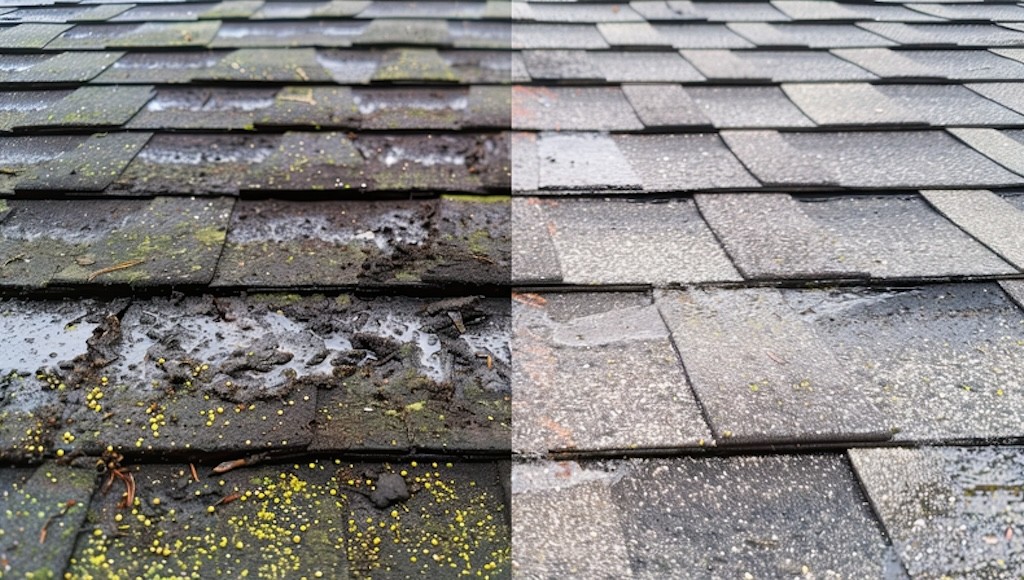
Myth 5: It Attracts Mold, Algae, or Bugs
Because the product is plant-based, some mistakenly think that bugs or organisms will start growing on treated shingles. That’s not the case. Roof Maxx soaks in quickly and doesn’t leave a sticky residue that would encourage unwanted growths. In many cases, restoring flexibility reduces the tiny micro-cracks where spores and pests might otherwise take hold.
Reality: It won’t make your roof a magnet for unwanted growth — and may even reduce the conditions where those problems start.
Myth 6: My Roof Is Too Old for Roof Maxx
Some homeowners assume Roof Maxx only works on newer shingles. In fact, it can help asphalt shingle roofs that are beginning to dry and age — often before visible damage appears. The key is that the roof still has structural integrity and hasn’t failed yet.
Reality: It’s designed to extend life before a full replacement becomes necessary — not fix a roof that’s already leaking badly.
Myth 7: It Voids Warranties or Insurance
There’s a worry that applying a product like this could void your shingle manufacturer’s warranty or cause issues with your homeowners insurance. That isn’t usually true. Because Roof Maxx is non-toxic and doesn’t damage shingles, it can demonstrate proactive maintenance to insurers and manufacturers.
Reality: Most warranties and policies aren’t harmed by Roof Maxx — and the treatment can show you’re caring for your roof responsibly.
Myth 8: It’s Just a “Quick Fix”
Some skeptics see Roof Maxx as a short-term band-aid. A single treatment typically lasts about five years, and multiple applications over time can extend shingle life significantly — potentially up to 15 more years with scheduled maintenance.
Reality: Like changing the oil in your car, repeated treatments maintain performance — but it’s not a one-season gimmick.
Myth 9: It’s Not Cost-Effective vs. Replacement
Because you’ll eventually need a new roof someday, some homeowners assume treatments are wasted money. Roof Maxx treatments typically cost much less — sometimes up to 80% less than a full roof replacement, giving you more time to plan financially without compromising protection.
Reality: For many homeowners, especially in Ohio’s variable climate, it’s a smart way to extend roof life without the upfront cost and disruption of replacement.
Myth 10: It’s “Too New” To Trust
Newer home-care solutions often face skepticism. But Roof Maxx has been applied on hundreds of thousands of roofs across the U.S. and is backed by years of development and testing.
Reality: It’s not untested hype — it’s a scientifically grounded approach to roof restoration that’s earned trust from homeowners and practitioners alike.
What This Means for Ohio Homeowners
If you’re a homeowner in Northeast Ohio with asphalt shingles that are aging but not failing — especially after seasonal stress from snow, freeze-thaw cycles, and summer sun — understanding the facts about Roof Maxx can help you make an informed choice about protecting your home economically and responsibly.



