A Few Things Worth Checking While Fall Weather Is Still on Your Side
There is always a point in a Northeast Ohio fall when the weather seems to change almost overnight.
One week, afternoons are warm enough for short sleeves.
Then suddenly, the forecast includes the season’s first overnight freeze.
For your roof, that transition matters.
Once temperatures begin crossing above and below freezing, moisture that finds its way into small openings can freeze, thaw, and freeze again. Gutters filled with wet leaves can turn into gutters filled with frozen debris. Small maintenance problems that were relatively easy to address in September can become much less convenient once colder weather settles in.
That’s why we encourage homeowners throughout Cleveland, Akron, Canton, Medina, Hudson, Mentor, North Canton, Massillon, and surrounding Northeast Ohio communities to prepare their roof before the first freeze rather than waiting for winter to officially arrive.
You don’t need to turn this into a major home improvement project.
A few smart checks now can tell you a lot about whether your roof is ready for the colder months ahead.
Why the First Freeze Matters to Your Roof
One cold night isn’t likely to suddenly damage an otherwise healthy roofing system.
The bigger concern is what the first freeze represents:
the beginning of repeated temperature swings.
Northeast Ohio is especially familiar with weather that moves back and forth around the freezing point.
A cold night may be followed by a sunny 50-degree afternoon. Then temperatures drop below freezing again.
When moisture is present in small cracks or openings, it can freeze and expand. When temperatures rise, it melts. When cold weather returns, the process starts again.
Over time, repeated freeze-thaw cycles can make existing roofing weaknesses worse.
The best defense isn’t trying to prevent Ohio weather.
It’s making sure the roof is in good condition before that weather arrives.
Local Tip: Don’t use the first snowfall as your deadline for winter roof preparation. Northeast Ohio often experiences freezing nighttime temperatures well before accumulating snow. Try to handle fall maintenance while daytime temperatures are still comfortable.
Start With Any Problems You Already Know About
The easiest place to begin is with the issues you’ve already noticed.
Maybe you saw a shingle in the yard after a summer storm.
Maybe you’ve been meaning to have a small ceiling stain investigated.
Maybe one section of flashing doesn’t look quite right.
Or perhaps your gutters overflowed during the last heavy rain.
These are exactly the types of problems we’d rather see homeowners address before freezing weather.
Pay particular attention to:
- Missing or damaged shingles
- Previous leaks
- Loose flashing
- Damaged vent boots
- Clogged gutters
- Loose gutters
- Tree damage
- Debris on the roof
- Areas that have needed repeated repairs
If you’ve spent the summer thinking, “I should probably have someone look at that,” fall is a good time to stop putting it off.
Make Sure Gutters and Downspouts Can Drain
We recently discussed the importance of cleaning gutters before peak leaf season, but the first freeze gives that job a more specific deadline.
Wet leaves can become a dense, frozen blockage.
Before freezing nights become common, make sure gutters and downspouts can move water freely.
Look for:
- Packed leaves
- Twigs and seed pods
- Clogged downspouts
- Sagging gutter sections
- Water sitting in gutters
- Debris around downspout openings
Remember that different trees lose their leaves at different times.
If you cleaned your gutters early in the fall, they may need another check before cold weather settles in.
Clear Debris From Roof Valleys and Problem Areas
Gutters aren’t the only place leaves collect.
Debris can also gather:
- In roof valleys
- Behind chimneys
- Around skylights
- Against walls
- Beneath overhanging branches
A few leaves blowing across the shingles aren’t a problem.
Large piles of wet leaves that remain in place are different.
They can hold moisture against roofing materials and interfere with normal drainage.
If you can see significant debris from the ground, consider having it safely removed.
We don’t recommend climbing onto a steep or damp roof yourself. Fall leaves can make an already dangerous surface even more slippery.
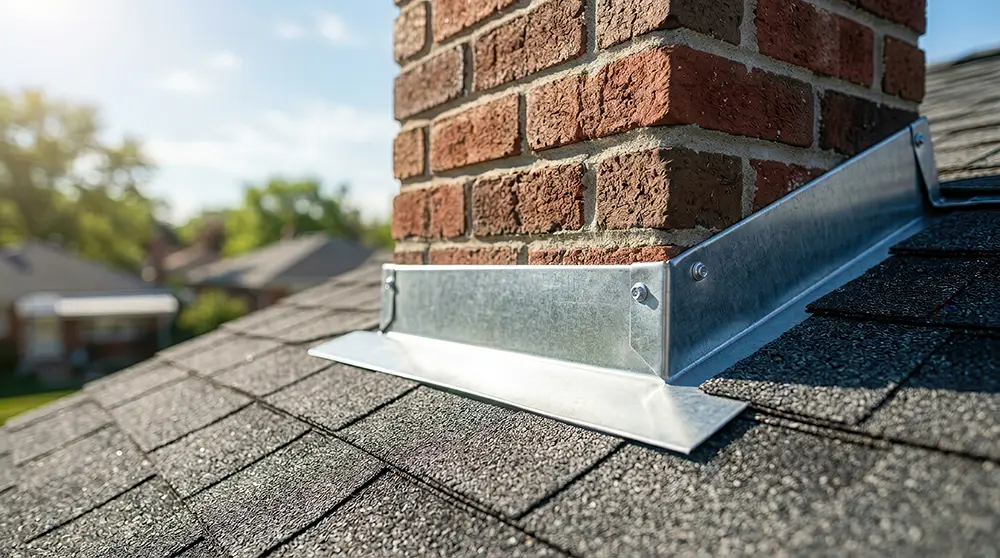
Look Closely at Flashing Before Temperatures Drop
Flashing protects some of the most vulnerable areas of a roof.
You’ll commonly find it around:
- Chimneys
- Roof vents
- Skylights
- Roof-to-wall intersections
- Valleys
Small openings around these areas may allow water into the roofing system.
Once freezing temperatures arrive, trapped moisture and repeated temperature changes can make an existing weakness more troublesome.
If you’ve noticed leaks during heavy rain (particularly near a chimney or vent), don’t assume colder weather will make the problem disappear.
Check for Missing Shingles After Fall Wind
Summer isn’t the only windy season in Northeast Ohio.
Fall weather can bring strong gusts and storm systems of its own.
After a particularly windy day, take a quick walk around your property.
Look for shingles or roofing debris in:
- The yard
- Driveway
- Landscaping
- Gutters
Then look at the roof from the ground for areas that appear uneven or exposed.
One missing shingle doesn’t automatically mean you need a new roof.
But it is worth addressing before that exposed area spends a winter dealing with rain, freezing temperatures, snow, and ice.
Pay Attention to Tree Branches Before Snow and Ice Arrive
Trees deserve another look in late fall.
A branch that survived summer thunderstorms may still be:
- Dead
- Cracked
- Partially broken
- Hanging over the roof
- Rubbing against shingles
Once leaves fall, damaged branches may actually become easier to see.
Snow and ice can add considerable weight to already weakened limbs.
If a large branch poses a threat to your roof, have a qualified tree professional evaluate it before winter weather adds additional stress.
Take a Look Inside the Attic
Your attic can reveal roofing problems you won’t see from the yard.
If the space is safely accessible, look for:
- Dark staining on roof decking
- Damp insulation
- Musty odors
- Moisture around vents
- Staining around chimneys
- Signs of previous water intrusion
Also pay attention to ventilation.
Attic ventilation matters throughout the year, but it becomes especially important as temperatures fall.
In winter, warm air escaping from the living space can contribute to uneven roof temperatures. That is one of the conditions involved in ice dam formation.
If your home has a history of ice dams, fall is a particularly good time to have insulation and ventilation concerns evaluated.
Don’t Ignore a Small Leak Because Winter Is Coming
Sometimes homeowners assume a small leak will become less important once summer thunderstorms end.
Unfortunately, winter doesn’t give roofs a break from moisture.
Northeast Ohio roofs still have to manage:
- Cold rain
- Melting snow
- Ice
- Freeze-thaw cycles
- Wind-driven precipitation
A small opening that admits rain may also allow melting snow to enter later.
And remember: the water stain you see inside the house may not be directly beneath the point where water entered the roof.
Finding the source before winter is much easier than waiting for the problem to become an emergency.
What About the Condition of Aging Shingles?
Preparing for the first freeze isn’t only about finding obvious damage.
It’s also a good time to evaluate the condition of the shingles themselves.
As asphalt shingles age, they gradually lose oils that help keep them flexible.
You may begin noticing:
- Curling
- Brittleness
- Granule loss
- Cracking
- An increasingly weathered appearance
That doesn’t automatically mean the roof needs replacement.
Depending on its condition, the appropriate next step could be:
- Continued monitoring
- Localized repairs
- Roof rejuvenation
- Replacement
For qualifying asphalt shingle roofs, Roof Maxx is designed to replenish depleted oils and restore flexibility.
That’s one reason we like evaluating aging roofs before winter rather than waiting until spring to find out how they handled another season of freezing temperatures.
An Inspection Before Winter Can Give You a Baseline
A professional inspection doesn’t have to begin with a known problem.
Sometimes the most useful outcome is simply knowing:
“The roof looks good. You’re ready for winter.”
That’s valuable information.
An inspection may also identify a minor issue that can be addressed before it becomes more serious.
When we inspect a roof, we’re looking at the overall condition, not searching for an excuse to recommend replacement.
Depending on what we find, we may determine that:
- Nothing needs immediate attention
- A small repair should be considered
- The roof should be monitored
- An aging roof may qualify for Roof Maxx
- The roof has reached a point where replacement makes more sense
Understanding which situation you’re dealing with is the whole point.
Don’t Make the Calendar Your Only Guide
There’s no single date when Northeast Ohio homeowners must have their roofs “winter ready.”
Weather doesn’t follow the calendar that neatly.
Instead, pay attention to the forecast.
When overnight lows begin consistently approaching freezing, that’s a good reminder to finish the maintenance tasks you’ve been putting off.
And if an unusually early cold snap arrives?
Don’t panic.
One freezing night isn’t a roofing emergency.
Use it as a reminder that winter weather is getting closer and that any known roof issues deserve attention.
Common Questions About the First Freeze and Your Roof
Can one freezing night damage my roof?
A healthy roof should be able to handle normal freezing temperatures. The greater concern is repeated freeze-thaw cycling acting on roofing materials or areas where problems already exist.
Should I clean my gutters before the first freeze?
Yes, especially if they contain wet leaves or debris. Keeping gutters and downspouts clear helps water drain properly as colder weather arrives.
Can roof repairs still be done after temperatures start dropping?
Often, yes, depending on the repair, roofing materials, and weather conditions. However, addressing problems earlier generally provides more flexibility than waiting until winter is established.
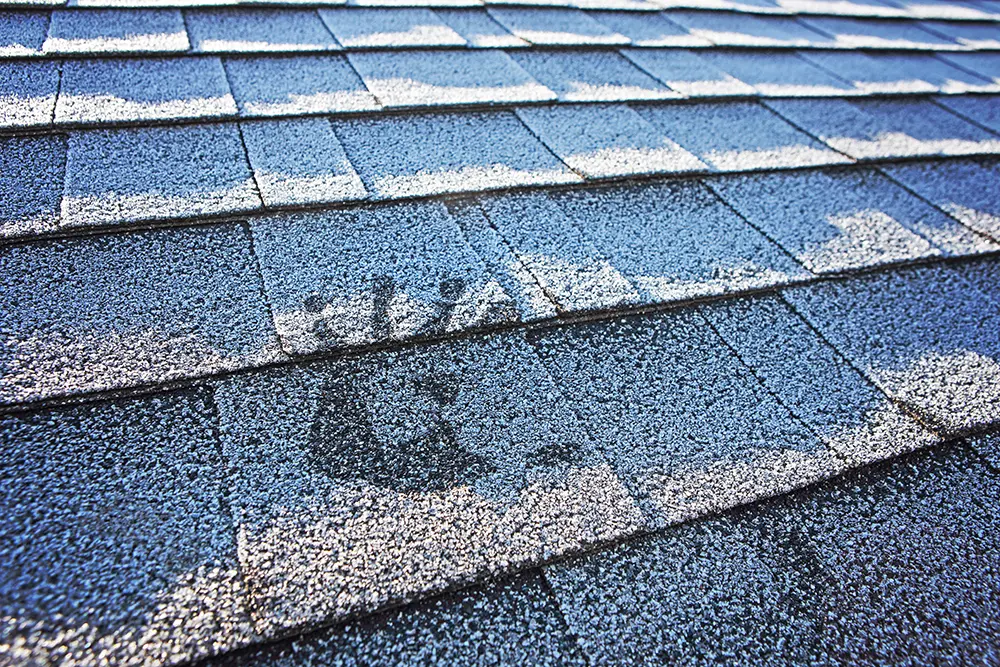
Should I worry about frost on my shingles?
Ordinary frost doesn’t necessarily indicate a roofing problem. Avoid walking on a frosty roof, however, because it can be extremely slippery.
Is the first freeze when ice dams start forming?
Not necessarily. Ice dams are typically associated with snow on the roof, heat loss, uneven roof temperatures, melting, and refreezing near colder roof edges. The first freeze is simply a good reminder to make sure your home is prepared before those conditions arrive.
Does an older roof need to be replaced before winter?
Not simply because it’s old. Age is one factor among many. The condition of the shingles, previous repairs, leaks, structural condition, and other factors should all be considered.
Final Thought
You don’t need to fear Northeast Ohio’s first freezing night.
Your roof was built to handle cold weather.
The goal is simply to make sure small, preventable problems aren’t waiting for winter to make them worse.
Before freezing temperatures become routine, take a look at your shingles, gutters, flashing, roof valleys, nearby trees, and attic. Pay attention to anything that changed over the summer or fall, and don’t ignore problems you’ve already noticed.
For homeowners across Cleveland, Akron, Canton, and throughout Northeast Ohio, taking a little time to prepare your roof before the first freeze can mean heading into winter with fewer unanswered questions.
And if you’re not sure what condition your roof is in, we can help.
We offer a free roof inspection, roof health checkup, and quote to help determine whether your roof needs maintenance, repair, rejuvenation, replacement, or simply nothing at all right now.
Get a Free Inspection, Roof Health Checkup, and Quote



