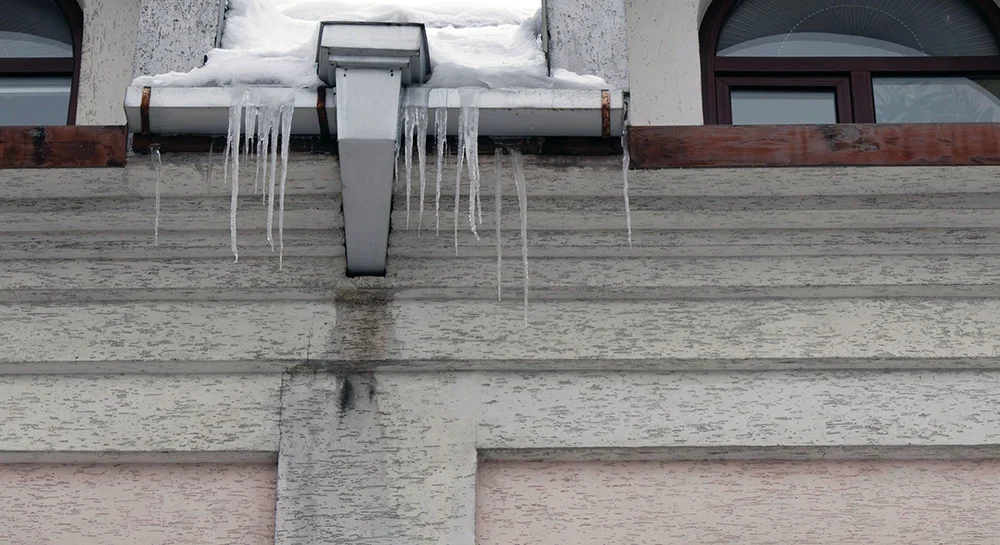
What Cleveland, Akron, & Canton Residents Should Know Before the Spring Thaw
When temperatures start rising across Cleveland, Akron, Canton, Medina, Hudson, Mentor, North Canton, Massillon, and surrounding Northeast Ohio communities, many homeowners finally get a clear look at what winter left behind.
One of the most common — and misunderstood — problems?
Ice dam damage.
At Roof Maxx of Cleveland — proudly serving the entire Cleveland–Akron–Canton corridor — late winter and early spring inspections often reveal issues that began months earlier when snow and ice were still sitting on rooftops.
Here’s what you need to know.
What Is an Ice Dam?
An ice dam forms when:
- Snow melts on the upper portion of your roof.
- The meltwater flows downward.
- It refreezes at the colder roof edge.
- More melting snow backs up behind that frozen ridge.
That trapped water has nowhere to go — so it can begin working its way under shingles and into your attic, insulation, or walls.
This is especially common in Northeast Ohio, where we experience heavy snowfall followed by sudden warm-ups.
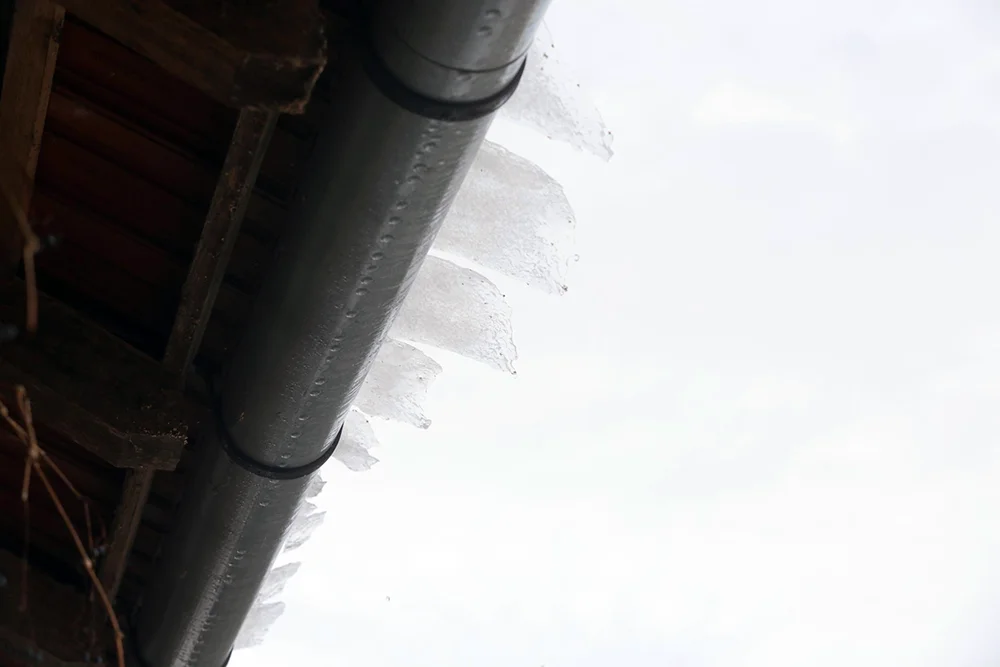
Why Ice Dams Are So Common in the Cleveland–Akron–Canton Area
Our region creates the perfect storm:
- Lake-effect snow (especially north and east of Cleveland)
- Deep overnight freezes
- Rapid daytime thaws
- Repeated freeze–thaw cycles
- Rain falling on existing snow
That repeated expansion and contraction stresses shingles and weakens seals over time.
For a deeper explanation of how winter impacts shingles, see our
👉 Freeze-Thaw Damage Guide:
How Ice Dams Damage Your Roof
Ice dams don’t just create icicles — they can cause serious structural issues.
1️⃣ Shingle Seal Failure
Water forced under shingles weakens adhesive strips and can lead to lifting during spring winds.
2️⃣ Underlayment Saturation
Moisture trapped beneath shingles can soak protective layers.
3️⃣ Flashing Separation
Chimneys and wall intersections are common failure points.
4️⃣ Interior Ceiling Stains
Often the first visible warning sign.
If you’ve noticed interior stains recently, review our guide:
👉 Spring Thaw Roof Leaks in Northeast Ohio:
Signs You May Have Ice Dam Damage
As temperatures warm this week across Ohio, look for:
- New water stains on ceilings
- Peeling paint near exterior walls
- Damp attic insulation
- Granules collecting in gutters
- Curling shingle edges
These symptoms often appear during thaw cycles — not during the coldest part of winter.
Can Ice Dam Damage Be Repaired?
That depends on the condition of the roof.
There are typically three paths:
Minor Repair
If flashing or a small section was affected, a targeted repair may be sufficient.
Roof Rejuvenation
If shingles are aging but structurally sound, restoring flexibility may help extend roof life.
Roof Maxx treatments are designed to restore lost oils in qualifying asphalt shingles using a plant-based solution. This can improve flexibility — which helps shingles better withstand Ohio’s extreme seasonal changes.
Treatments are backed by a 15-Year Transferable Warranty, as outlined on the Roof Maxx of Cleveland home page.
Replacement
If there is widespread structural damage or advanced deterioration, replacement may be necessary.
An honest professional inspection determines the right solution.
Why Now Is the Right Time to Act
With warmer temperatures arriving across Cleveland, Akron, and Canton this week:
- Snow is melting
- Damage is becoming visible
- Spring rain is coming
- Summer heat will soon accelerate aging
Addressing issues now prevents larger repairs later.
You can schedule a:
👉 Free Roof Inspection in Northeast Ohio
Serving More Than Just Cleveland
While the name is Roof Maxx of Cleveland, service extends throughout:
- Akron
- Canton
- Medina
- Hudson
- Mentor
- North Canton
- Massillon
- And surrounding Northeast Ohio communities
Winter damage doesn’t stop at city limits — and neither do we.
Final Thought
Ice dams are a symptom of Ohio winters.
The real question is whether your roof is ready for the next one.
A professional assessment can determine whether your roof needs minor repair, rejuvenation backed by a 15-Year Transferable Warranty, or full replacement.
Spring is the window to make that decision wisely.