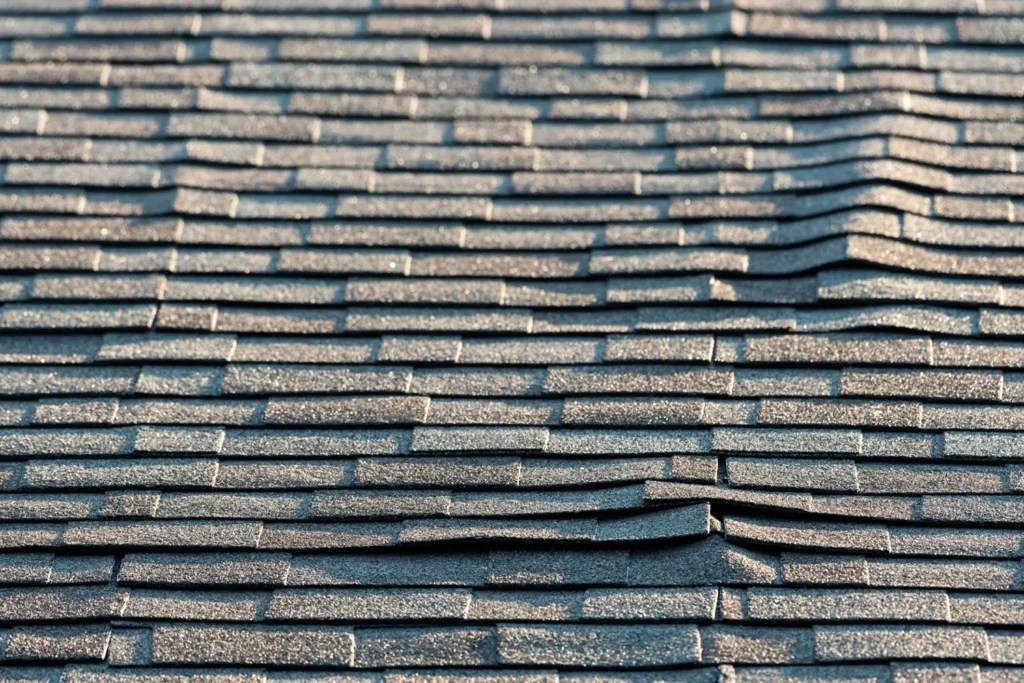
If you own a home anywhere in the Cleveland – Akron – Canton region, your roof endures one of the harshest seasonal cycles in the country.
Lake-effect snow.
Deep freezes.
Rapid warm-ups.
Rain on melting snow.
This pattern is called the freeze–thaw cycle, and it accelerates asphalt shingle aging.
At Roof Maxx of Cleveland — serving homeowners across Northeast Ohio — we frequently inspect roofs in early spring that show subtle but significant winter stress.
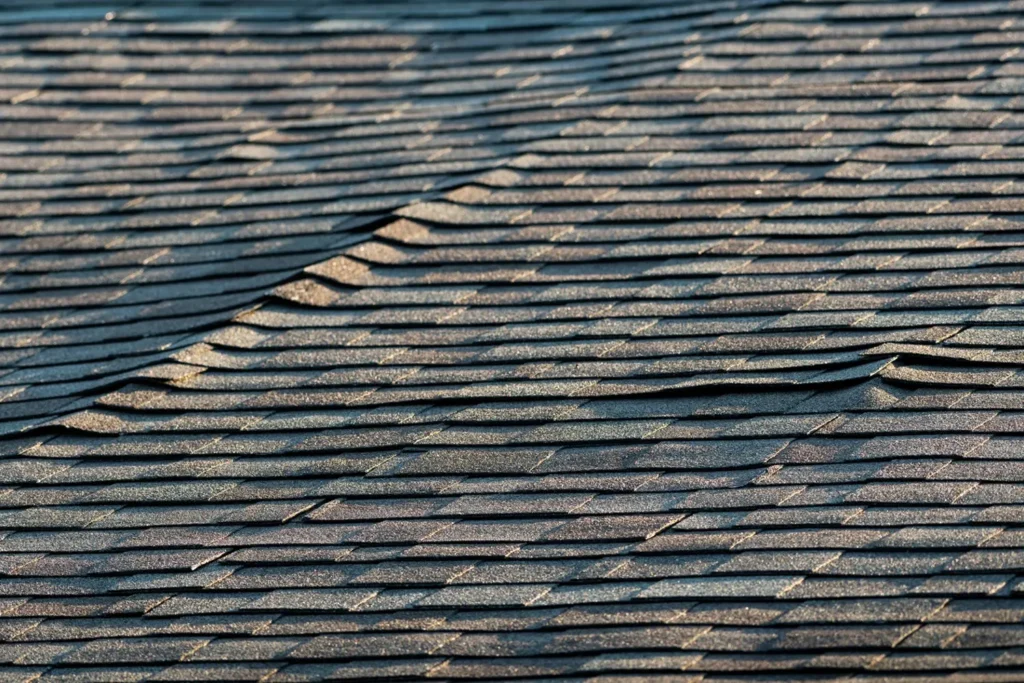
What Freeze-Thaw Actually Does to Your Roof
The cycle works like this:
- Snow melts on warmer roof sections.
- Water flows downward.
- It refreezes at colder edges.
- Expansion and contraction repeat.
Over time, this weakens shingles and seals.
The Role of Shingle Flexibility
Asphalt shingles contain oils that keep them flexible.
After years of exposure — especially in Northeast Ohio — those oils deplete. Shingles become brittle and more prone to:
- Cracking
- Curling
- Wind lift
- Seal failure
That brittleness increases the risk of spring roof leaks.
Roof Maxx treatments are designed to restore flexibility in qualifying shingles by replacing lost oils with a plant-based solution.
For eligible roofs, treatments are backed by a 15-Year Transferable Warranty, as highlighted on our home page.
Warning Signs After Winter
Look for:
- Increased granules in gutters
- Curling shingle edges
- Random ceiling stains
- Popped nails
- Minor wind damage
Your Three Post-Winter Options
1) Minor Repair
Isolated flashing or seal issue.
2) Rejuvenation
Aging shingles that are structurally sound.
3) Replacement
When structural decking or widespread damage is present.
An honest inspection determines which category your roof falls into.
Why Spring Is the Best Time to Evaluate
Before summer heat accelerates aging, and before fall storms arrive, spring is ideal for a professional roof assessment across the Cleveland – Akron – Canton area.